Why material matters more in Wisconsin
Choosing a garage door material isn't just about looks. In Waukesha, your door faces humid summers, frequent freeze-thaw cycles, wind-driven snow and months of road salt. Some materials handle that easily; others need regular care to hold up. The right choice depends on your home's style, how your garage is used, whether it's attached and heated, and how much maintenance you're willing to do.
Below is a practical guide to the main options we install, based on what we see on Waukesha homes year after year.
Insulated steel
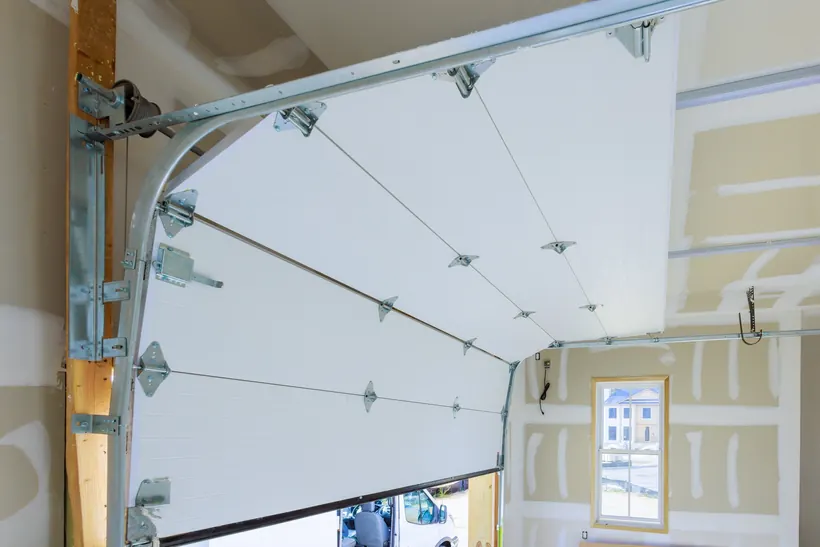
Steel is by far the most popular garage door material in Waukesha, and for good reason. It's strong, affordable, available in a huge range of styles and colors, and needs very little maintenance. Modern steel doors are built with galvanized steel skins and a baked-on finish that resists rust and fading.
- Best for: most homes, especially attached garages that benefit from insulation.
- Insulation: available uninsulated, with polystyrene, or with polyurethane foam. Polyurethane offers the highest R-values and stiffest, quietest doors.
- Looks: raised-panel, carriage, flush, recessed and woodgrain-textured or wood-look finishes.
- Maintenance: occasional washing, especially to remove road salt from the bottom section in winter.
- Watch for: thinner 25-gauge steel dents more easily; 24-gauge or heavier is more resistant.
Real wood
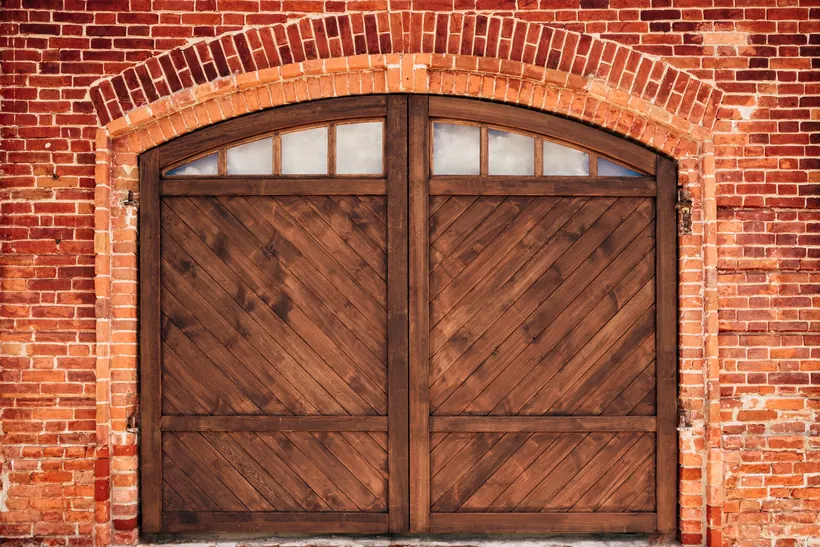
Nothing quite matches the warmth of a real wood door, especially on craftsman, Tudor and historic homes near Downtown Waukesha. Cedar, redwood, hemlock and mahogany doors can be stained or painted and custom-built to almost any design.
- Best for: high-end, historic or custom homes where authenticity matters.
- Insulation: wood has some natural insulating value, and many wood doors include an insulated core.
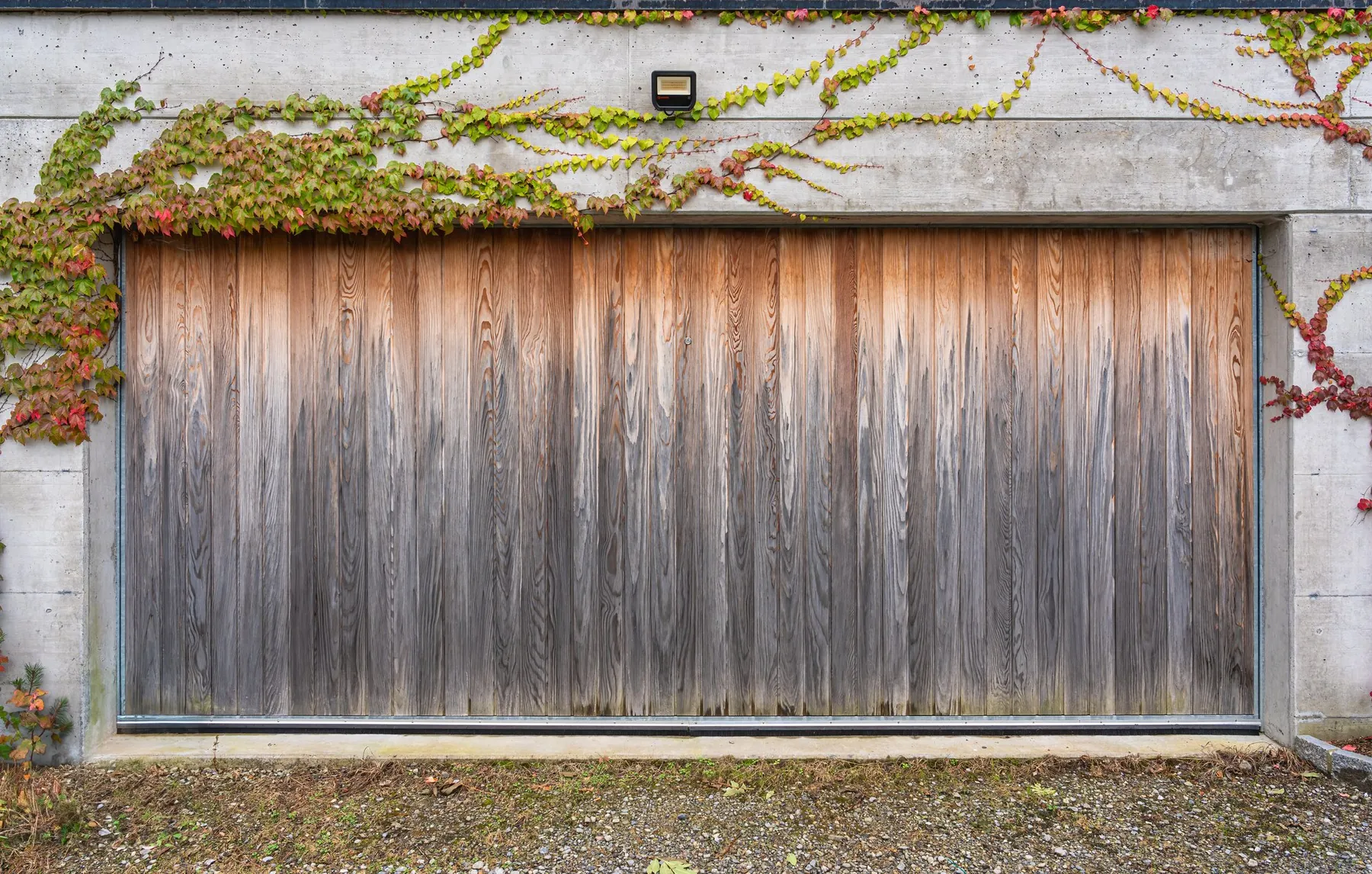
- Maintenance: significant. Wood needs refinishing every few years, and the bottom section must be sealed carefully against moisture and salt.
- Watch for: swelling, warping and rot if finishes aren't maintained. Wood doors are also heavier, so springs and openers must be sized accordingly.
Wood composite and faux wood
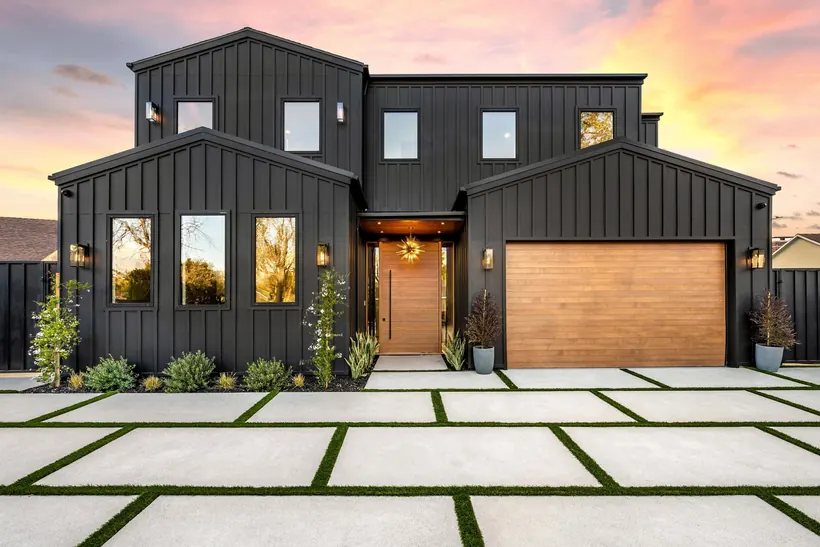
Composite and wood-look steel doors give you much of the look of wood with far less upkeep. Composite overlays are molded from real wood textures, and modern printed woodgrain finishes on steel can be surprisingly convincing from the street.
- Best for: homeowners who want a wood look without the maintenance.
- Durability: resists rot, cracking and splitting better than real wood.
- Maintenance: low; usually just washing.
Fiberglass
Fiberglass doors resist dents and salt corrosion, and they don't rot or rust. They're often used as a wood-look skin over a steel frame.
- Best for: homes where salt exposure and dents are concerns.
- Watch for: fiberglass can become brittle in extreme cold and may crack on impact.
Aluminum and glass
Full-view aluminum doors with glass or polycarbonate panels have become popular on modern and contemporary homes. They let in lots of natural light and create a clean, architectural look.
- Best for: modern homes, garages used as workshops or gyms, and detached garages.
- Insulation: lower than insulated steel, though insulated glass and thermally broken frames help.
- Privacy: frosted, tinted or satin glass options balance light and privacy.
- Watch for: aluminum dents more easily than steel, and single-pane glass is cold in winter.
Side-by-side comparison
| Material | Durability | Insulation potential | Maintenance | Cost range |
|---|---|---|---|---|
| Insulated steel | High | High (polyurethane) | Low | Moderate |
| Real wood | Moderate | Moderate | High | High |
| Wood composite | High | Moderate to high | Low | Moderate to high |
| Fiberglass | Moderate | Moderate | Low | Moderate |
| Aluminum & glass | Moderate | Low to moderate | Low | Moderate to high |
Understanding insulation and R-value
R-value measures resistance to heat flow; higher is better. Uninsulated doors have very little. Polystyrene-insulated doors use rigid foam panels and offer moderate R-values. Polyurethane-insulated doors have foam injected between the steel skins, where it expands and bonds to both sides, typically producing higher R-values and a much stiffer, quieter door.
R-value isn't everything. A well-insulated door with worn seals still leaks air. That's why we pair insulated doors with new perimeter weatherstripping and a quality bottom seal, and look for doors with a thermal break that keeps the inner and outer skins from conducting cold.
Matching material to your Waukesha home
- Older homes near Downtown and Carroll University: carriage-style insulated steel or wood composite doors complement period architecture without the upkeep of real wood.
- Mid-century ranches and split-levels: insulated steel in a raised or recessed panel style is practical and affordable.
- Newer homes off Les Paul Parkway and Grandview Boulevard: insulated steel carriage doors, wood-look finishes or modern flush designs are common choices.
- Modern builds and remodels: aluminum and glass or flush steel doors in dark colors create a clean, contemporary look.
Weight, springs and openers
Material affects weight, and weight affects everything else. A solid wood double door can weigh twice as much as an insulated steel door of the same size. Heavier doors need stronger springs, sturdier hardware and a properly rated opener. When we quote a new door, we size the springs, cables and opener to its actual weight so it operates smoothly and safely.
See the options in person
Materials are easier to judge in person than in photos. When we come out to measure, we bring samples of steel finishes, woodgrain textures and window options so you can see them against your siding and trim in daylight. Request a quote and we'll schedule a visit anywhere in Waukesha or nearby Pewaukee, Brookfield, New Berlin and Genesee.
Steel gauge and construction layers
When comparing steel doors, two details matter as much as the brand. The first is the steel's gauge. Lower numbers mean thicker steel, so a 24-gauge door is sturdier and more dent-resistant than a 25- or 26-gauge door. The second is construction:
- Single-layer: one steel skin with no insulation. Lightweight and inexpensive, but noisy, easily dented and cold. Best for detached, unheated garages.
- Two-layer: a steel skin with an insulation layer on the back, usually polystyrene with a vinyl backer. A step up in comfort and quiet.
- Three-layer: insulation sandwiched between two steel skins. The strongest, quietest and best-insulated option, and our usual recommendation for attached garages.
Finishes that stand up to Waukesha winters
Look for steel doors with a galvanized core and a multi-coat baked-on finish. These finishes resist chipping and rust far better than paint applied after manufacturing. For woodgrain looks on steel, embossed textures and printed or laminated finishes are available; laminated finishes generally hold their color longer in sun. For wood doors, the finish matters even more. A factory-applied primer and finish on all sides, including the bottom edge, provides much better protection than a single coat applied on site.
Bottom seals and weatherstripping
No matter which material you choose, the seals around the door decide how well it keeps out wind, snow and pests. A flexible bottom seal that stays soft in the cold conforms to an uneven slab, and a vinyl perimeter stop with a flexible flap seals the sides and top. Many older Waukesha garages have slabs that have settled or cracked; a thicker bottom seal or a threshold seal can help close the gap. We include new perimeter weatherstripping with most new door installations.
Noise, wind and other practical considerations
Material also affects sound and wind performance. Three-layer insulated steel doors are noticeably quieter than single-layer doors, both when running and when wind or hail hits them. On homes in open areas, which we see on the western and southern edges of Waukesha, wind-load rated doors and heavier struts keep wide doors from flexing in strong gusts. If your garage doubles as a workshop or home gym, the extra quiet of an insulated door is worth considering too.
Our recommendation for most Waukesha homes
If you want a simple starting point, here's what we recommend most often. For attached garages, a three-layer, polyurethane-insulated steel door in 24 gauge or heavier, with a quality bottom seal and new perimeter weatherstripping. Choose a raised-panel, carriage or flush design to suit the house, add top-section windows if you want light, and pick a color or woodgrain finish that coordinates with your trim. For detached garages, a two-layer insulated steel door offers a good balance of price and durability.
Frequently asked questions
What is the most durable garage door material?
Insulated steel, especially 24-gauge or heavier, offers the best combination of durability, low maintenance and cost for most Waukesha homes.
Are wood garage doors a good idea in Wisconsin?
They can be beautiful, but they need regular refinishing to resist moisture, salt and freeze-thaw cycles. Wood composite or wood-look steel doors are lower-maintenance alternatives.
What insulation is best for a garage door?
Polyurethane-injected insulation typically offers higher R-values and a stiffer, quieter door than polystyrene panels, making it a strong choice for attached garages.
Do glass garage doors work in cold climates?
Yes, especially with insulated glass and thermally broken frames, though they insulate less than insulated steel. They're popular on modern homes and detached garages.
Does door material affect my opener?
Yes. Heavier doors, like solid wood, may need a stronger opener and heavier-duty springs and hardware. We size everything to the door's actual weight.
Which garage door material is lowest maintenance?
Insulated steel and wood composite doors are the lowest maintenance. Occasional washing, especially of the bottom section in winter, is usually all they need.