Full-door repair, not just a quick patch
A garage door is a system. The springs lift the weight, the cables and drums carry that lift to the bottom corners, the rollers ride in the tracks, the hinges let the sections fold around the curve, and the opener simply guides the whole thing up and down. When one part wears out, it puts stress on everything around it. A frayed cable makes the door lift unevenly, which bends a track, which chews up rollers, which makes the opener work harder until its gears strip.
That's why every repair visit in Waukesha starts with a full inspection, not just a look at the obvious problem. We check spring condition and balance, cable wear, drum and bearing play, roller and hinge condition, track alignment and fastening, weather seals and opener settings. Then we tell you what needs attention now, what can wait, and what it will cost before any work begins.
Common garage door problems we fix every week
Most garage door calls in Waukesha fall into a handful of patterns. Recognizing yours helps you describe it when you call, and it helps us bring the right parts.
- Door won't open, or opener hums and stops. Often a broken torsion spring; the opener can't lift the full weight.
- Loud bang from the garage. The classic sound of a spring snapping, usually on a cold morning.
- Door closes crooked or leaves a gap. A loose or broken cable, a slipped drum or a bent track.
- Grinding, squealing or rattling. Worn steel rollers, dry hinges or failing bearings.
- Door reverses before it hits the floor. Misaligned photo eyes, a sticky track or opener force set wrong.
- Door is heavy or drops when lifted by hand. Springs are worn out and the door is out of balance.
- Light or daylight around the edges. Torn bottom seal, worn perimeter stop or a sagging section.
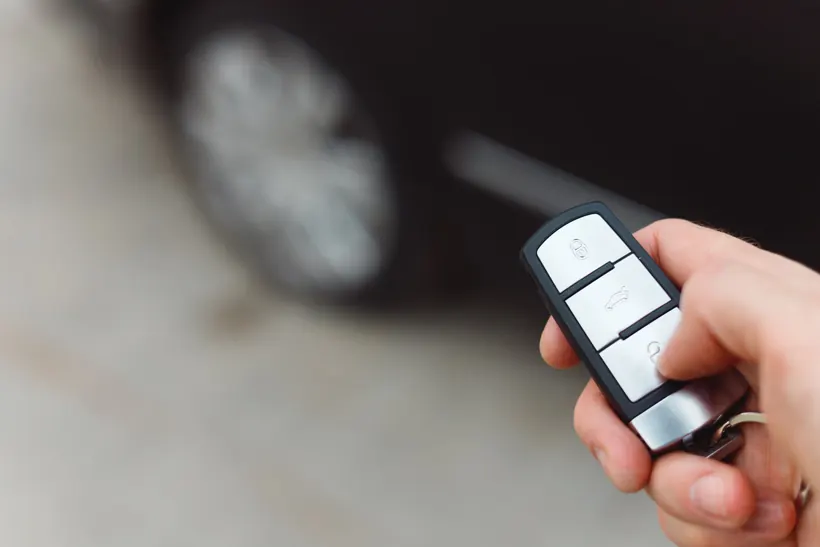
- Remote or keypad stopped working. Batteries, lost programming, a failed receiver or logic board.
What happens on a repair visit
- We confirm the window and arrive on time. You'll get a call when the technician is on the way, with a real arrival estimate.
- We listen and watch the door run. If it's safe to operate, we cycle the door to hear and see the problem in action. If a spring or cable is broken, we leave it closed.
- We inspect the whole system. Springs, cables, drums, bearings, rollers, hinges, track, fasteners, seals and the opener all get checked.
- You get a written price. We explain what failed, why it failed and what we recommend. You approve it before we pick up a tool.
- We repair, balance and lubricate. Replaced parts are installed to spec, the door is balanced, and moving parts get a cold-rated lubricant suited to Wisconsin winters.
- We safety-test and clean up. Auto-reverse, photo eyes, limits and force settings are tested, and old parts leave with us.
Why garage doors fail in Waukesha
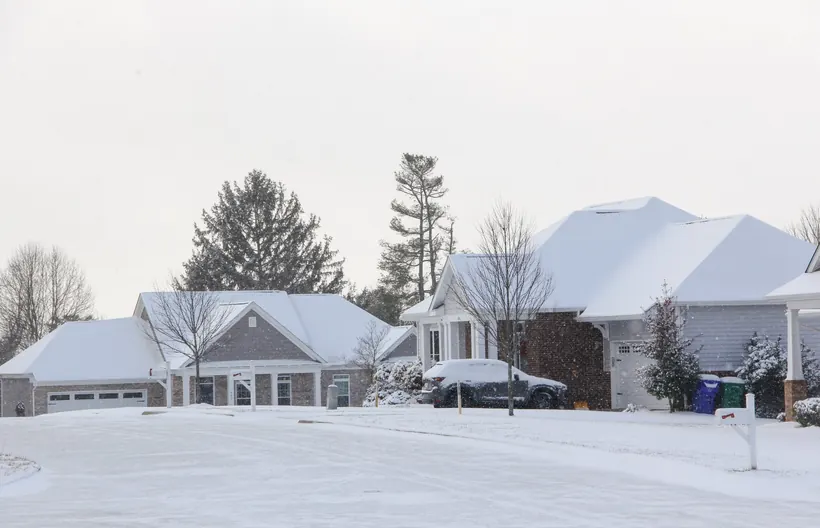
Every garage door wears out eventually, but our climate speeds things up. Southeastern Wisconsin sees well over a hundred freeze-thaw days a year, and January mornings regularly drop below zero. Cold makes spring steel more brittle, which is why so many springs snap on the first truly frigid morning of the season. Grease that was fine in October can stiffen until the opener strains against it.
Road salt is the other culprit. Every car that pulls into a Waukesha garage between November and March carries salty slush that drips onto the slab and splashes onto the bottom section, the bottom brackets and the lower ends of the cables. Over a few winters that salt eats into the cable fibers and the bottom fixtures, and a cable that looked fine in the fall can fray through by February.
Then there's simple use. A family that runs the door four or five times a day puts well over 1,500 cycles a year on the springs. Standard builder-grade springs are typically rated for about 10,000 cycles, so a door installed when a home was built off Northview Road or Meadowbrook Road may be on its second or third set of springs by now.
Please don't try spring or cable repairs yourself. A wound torsion spring stores enough energy to break bones, and the bottom brackets on most doors are under full spring tension. Tightening a hinge or cleaning a photo eye is fine. Anything attached to a spring or cable is a job for a trained technician with proper winding bars.
Repairs we handle
Our Waukesha trucks carry the parts needed for the vast majority of residential repairs, which is why most jobs are finished in a single visit:
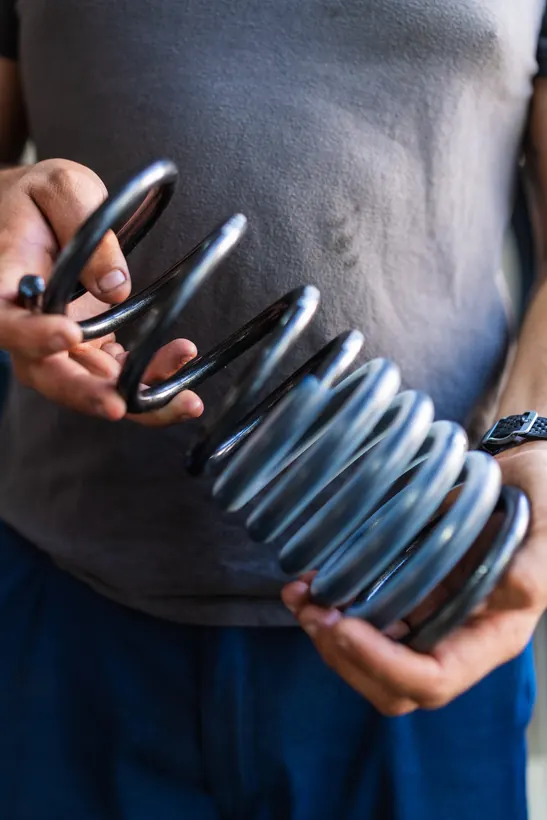
- Torsion and extension spring replacement, including upgrades to high-cycle springs
- Lift cable replacement and re-leveling of crooked doors
- Roller replacement with quiet nylon sealed-bearing rollers
- Track straightening, re-fastening and replacement
- Cable drum, center bearing and end bearing plate replacement
- Damaged section and panel replacement
- Hinge, bracket, strut and fastener repair for sagging or noisy doors
- Bottom seals, retainers, perimeter weatherstripping and thresholds
- Opener repair for remotes, keypads, sensors, gears, trolleys and logic boards
Repair or replace? We'll tell you straight
Most doors we see are worth repairing. If the sections are solid and the problem is a spring, cable, roller or opener part, a repair restores the door at a fraction of the cost of a new one. We don't push replacement on a door that has years left in it.
That said, some doors genuinely aren't worth more money. An uninsulated single-layer door with several dented or rusted sections, discontinued parts or a rotted wood bottom panel may cost more to keep patching than it would to replace. If your door is in that territory, we'll show you the numbers for both paths, including what a new insulated door would do for the comfort of an attached garage, and let you decide.
Keep your door running between visits
A few minutes of attention each season prevents a lot of repair calls. Watch and listen to the door as it runs; jerky motion or new noises are early warnings. Wipe road salt off the bottom section and brackets during winter. Keep the tracks clear of leaves and grit, but don't grease the inside of the tracks; the rollers should roll, not slide. Lubricate hinges, roller bearings and springs a couple of times a year with a garage-door lubricant, not a heavy grease. And test the auto-reverse monthly by placing a roll of paper towels under the door; it should reverse on contact.
If you'd rather not think about it, ask about a tune-up when we're out. We'll balance the door, tighten hardware, lubricate everything and check the safety systems, which is the easiest way to catch a worn cable or tired spring before it strands you on a winter morning.
Brands and door types we repair
Waukesha garages hold a wide mix of equipment. We regularly repair sectional doors from Clopay, Amarr, Wayne Dalton, Raynor, C.H.I., Haas and Overhead Door, along with older builder-grade doors whose labels wore off years ago. On the opener side, we service LiftMaster, Chamberlain, Genie, Craftsman, Linear and Marantec units, including chain, belt, screw and wall-mount jackshaft drives.
We also see a fair number of single-car doors in the older neighborhoods near Downtown and the Fox River, oversized doors on newer three-car garages, and doors with TorqueMaster-style enclosed spring systems. Each has its own quirks, and our technicians know them. If your door has an unusual setup, mention it when you call so we can plan the right parts.
Serving every Waukesha neighborhood
We repair garage doors throughout Waukesha, from the older homes around Downtown, Frame Park and the Carroll University area to the ranches and split-levels near Sunset Drive and Moreland Boulevard and the newer subdivisions off Les Paul Parkway and Grandview Boulevard. We also serve Pewaukee, Brookfield, New Berlin, Genesee, Big Bend, Sussex and Delafield.
Frequently asked questions
How much does garage door repair cost in Waukesha?
It depends on what failed. A roller or hinge repair costs less than a spring or cable replacement, and opener boards vary by brand. We diagnose the door first and give you a written price before any work starts, so you're never surprised by the bill.
Can you repair my door the same day I call?
Usually, yes. Calls placed before noon are typically scheduled the same day, and we carry common springs, cables, rollers and opener parts so most repairs are finished on the first visit.
My door opens a few inches then stops. What's wrong?
That's most often a broken torsion spring. The opener's safety system stops the door when it senses too much weight. Leave the door closed and call us; forcing it can damage the opener and the door.
Do you repair older garage doors?
Yes. We work on doors of all ages, including older sectional doors common in Waukesha's mid-century homes. If parts are discontinued, we'll find compatible replacements or explain your options honestly.
Is a noisy garage door a sign of a bigger problem?
Sometimes. Squeaks usually mean dry hinges or rollers, but grinding, popping or banging can point to worn bearings, a loose track or a spring near the end of its life. It's worth a quick inspection before a small issue turns into a breakdown.
Do you offer garage door tune-ups?
Yes. A tune-up includes balancing the door, tightening hardware, lubricating springs, hinges and rollers, checking cables and seals, adjusting the opener and testing every safety feature. Many Waukesha homeowners schedule one each fall before winter.