When the opener won't cooperate
A garage door opener is a simple machine with a lot of parts: a motor, gears, a drive belt or chain, a trolley, travel limit controls, safety sensors, a logic board, a receiver, remotes and a wall control. When one of those parts fails, the door might not move at all, might reverse unexpectedly or might only respond to the wall button. Sometimes the fix is as simple as aligning a photo eye. Other times a stripped gear or failed circuit board needs replacing.
We repair garage door openers throughout Waukesha and carry common parts for the brands we see most, including LiftMaster, Chamberlain, Craftsman, Genie, Linear and Marantec. And because many opener problems are really door problems, we always check the door itself as part of the diagnosis.
Common opener problems
- Opener hums but door doesn't move, often a broken spring or stripped gear.
- Door reverses before closing, usually photo eyes, force settings or a binding door.
- Door only closes when you hold the wall button, a classic photo-eye problem.
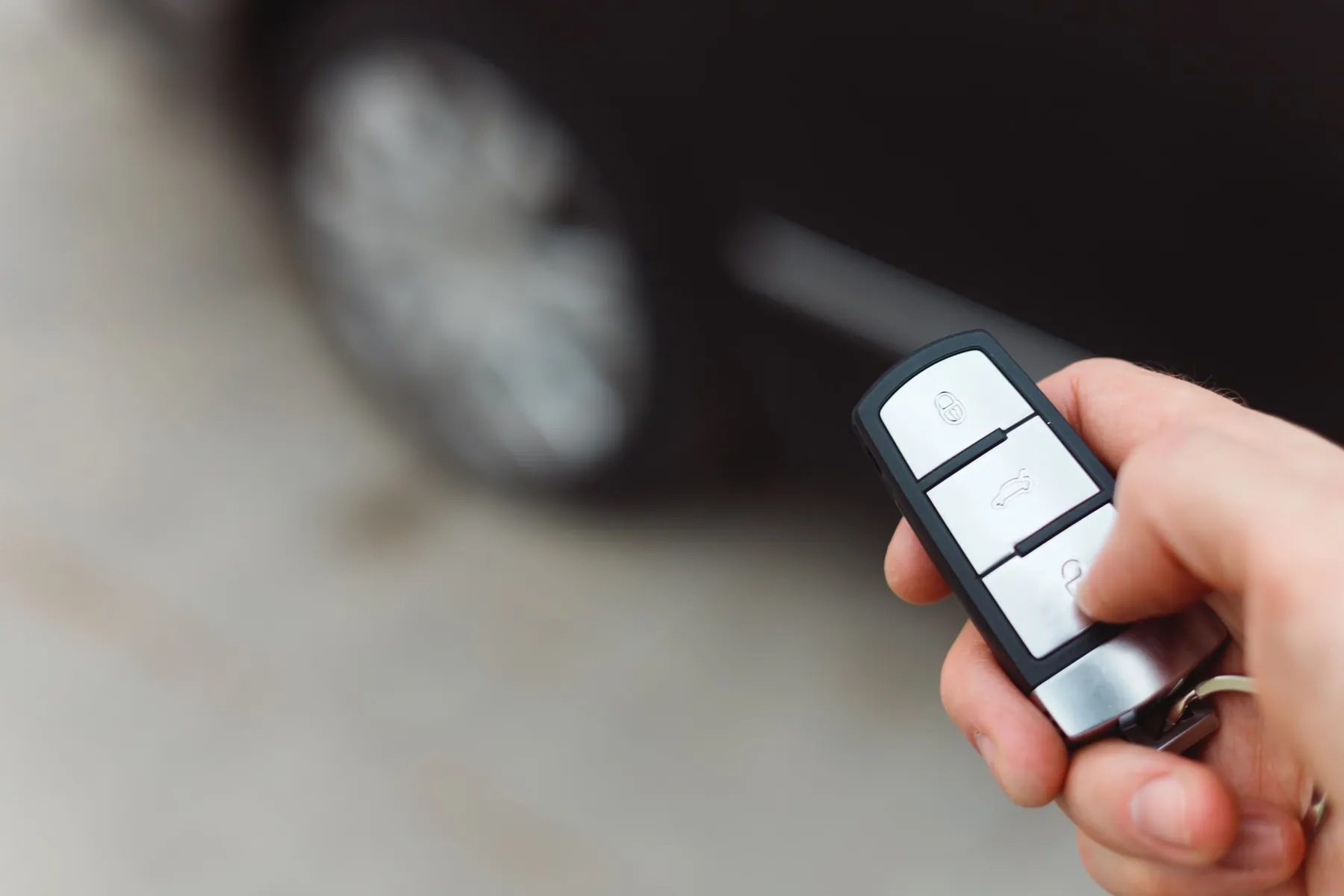
- Remote or keypad stopped working, due to batteries, programming, lockout mode or receiver failure.
- Motor runs but chain or belt doesn't move, pointing to a stripped drive gear or sprocket.
- Lights blink and door won't run, often an error code that tells us where to look.
- Grinding or loud clunking, from worn gears, a loose chain or a damaged trolley.
- Opener runs on its own, sometimes a stuck button, wiring fault or failing board.
Quick checks you can do
Before you call, a few simple checks solve a surprising number of opener problems:
- Check power. Make sure the opener is plugged in and the outlet works. Check for a tripped breaker or GFCI outlet.
- Look at the photo eyes. The small sensors near the floor on each side of the door should have steady lights. Wipe the lenses and make sure nothing is blocking them. If one is blinking, gently adjust it until the light is steady.
- Check the lock button. Many wall controls have a lock or vacation mode that disables remotes. Look for a lock icon or blinking light.
- Replace remote batteries. If the wall button works but the remote doesn't, start with a fresh battery.
- Look at the door. If a spring is broken or a cable is loose, stop and call. Don't keep running the opener.
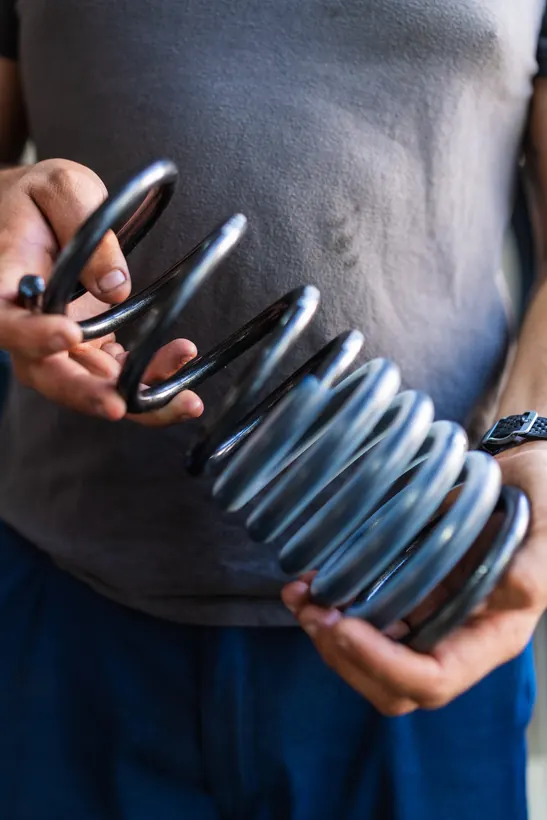
If the opener hums and the door won't lift, check the springs before anything else. A broken spring is the most common reason an opener can't move the door. Running it repeatedly can strip the gears or burn out the motor.
Opener repairs we perform
- Photo-eye alignment, rewiring and replacement
- Drive gear and sprocket replacement on chain and belt drives
- Trolley and carriage replacement
- Belt and chain adjustment or replacement
- Logic board and receiver replacement
- Travel limit and force adjustments
- Wall control and wiring repairs
- Remote, keypad and vehicle programming
- Battery backup replacement
- Emergency release repairs
Many opener problems are really door problems
An opener is designed to guide a balanced door, not lift dead weight. When springs wear out, cables loosen, rollers seize or tracks bind, the door gets harder to move. The opener responds by straining, reversing or quitting. If you simply replace the opener, the new one will struggle too.
That's why every opener repair includes a door check. We disconnect the opener and lift the door by hand to test its balance, and we look at springs, cables, rollers and tracks. If the door is the real problem, we'll tell you and show you the fix, often a spring adjustment or roller replacement that brings the opener back to life.
Repair or replace the opener?
We'll give you an honest recommendation. Repairs usually make sense for newer openers with a single failed part, like a gear, sensor or remote. Replacement may make more sense when the opener is more than 12 to 15 years old, when repairs are frequent or expensive, when parts are discontinued, or when it lacks important safety and security features such as rolling-code remotes and photo eyes. If you're considering replacement, our opener installation page covers today's quiet, smart options.
Cold-weather opener trouble
Waukesha winters bring a wave of opener calls. Cold stiffens grease and weather seals, doors freeze to the slab and snow adds weight to the door. An opener that was barely keeping up in the fall may start reversing or stalling in January. Never run an opener against a door that's frozen to the ground; it can tear the seal, bend the bottom section or strip the gears. Free the door carefully first. We can also adjust the opener's force and limits and lubricate the door with a cold-rated lubricant to reduce winter problems.
Security and remotes
If you've moved into a new home, lost a remote or had a car with a programmed button sold or stolen, it's smart to clear and reprogram all remotes and keypads. Older openers without rolling-code technology are more vulnerable to code grabbing and may be worth upgrading. We can reprogram or replace remotes, install exterior keypads and set up smartphone access on compatible openers.
Opener repair throughout Waukesha
We repair garage door openers in all Waukesha neighborhoods and ZIP codes 53186, 53188 and 53189, plus Pewaukee, Brookfield, New Berlin, Genesee and Big Bend. We stock common gears, sensors, trolleys, boards and remotes, so most opener repairs are completed on the first visit, often the same day you call.
What affects the price of opener repair
Opener repair costs depend on the part that failed and the opener model. Photo-eye alignment and remote programming are usually quick and affordable. Gear and sprocket kits, trolleys and belts take more time. Logic boards and receivers vary in price by brand and age. We always diagnose first and give you a written price before the repair. If the cost of repairing an older opener is close to the cost of a new one, we'll say so.
Understanding opener error codes
Many modern openers communicate problems through blinking lights on the motor unit or wall control. The number of blinks indicates the type of issue, such as a photo-eye fault, a wiring problem, a travel limit error or a motor problem. Each brand uses its own codes, and the meaning is usually printed on a label inside the light cover or in the owner's manual. If you can count the blinks and tell us when you call, we can often narrow down the issue before we arrive and bring the right part.
Keep your opener healthy
- Test auto-reverse monthly. Place a roll of paper towels where the door closes. The door should reverse on contact.
- Keep the photo eyes clean and clear. Wipe lenses and keep bins, bikes and boots out of the beam.
- Listen for changes. New grinding, clicking or straining sounds are early warnings.
- Keep the door balanced. A balanced door is the best thing you can do for opener life.
- Replace the backup battery. Backup batteries typically need replacing every couple of years.
A yearly tune-up covers all of these and gives us a chance to catch worn gears or a tired spring before they cause trouble.
Wall-mount and smart opener repairs
We also service newer opener types, including wall-mount jackshaft openers and Wi-Fi smart openers. Common issues include lost Wi-Fi connections after a router change, door position sensors that need new batteries, and cable tension monitors on jackshaft units that need adjustment after spring work. We can reconnect your opener to the app, update settings, replace sensors and make sure the automatic lock, if equipped, engages properly.
Safety checks on every visit
Whatever the repair, we finish by testing auto-reverse, photo eyes, force settings and the emergency release, so your door is safe for everyone in the household.
Frequently asked questions
Why does my garage door reverse before it closes?
Common causes include misaligned or dirty photo eyes, something blocking the sensors, a force setting that's too low or a door that's binding in the track. We'll diagnose and correct the cause.
Why won't my remote work but the wall button does?
Try a fresh battery first. If that doesn't help, the opener may be in lock mode, the remote may need reprogramming, or the receiver may be failing.
Is it worth repairing an old garage door opener?
If it's relatively new and only one part has failed, repair is usually worthwhile. Older openers with frequent problems or outdated safety features are often better replaced.
Can a broken spring cause opener problems?
Yes. A broken spring is one of the most common reasons an opener hums but can't lift the door. Running it repeatedly can damage the gears.
Do you repair all opener brands?
We repair the major residential brands, including LiftMaster, Chamberlain, Craftsman, Genie, Linear and Marantec.
How long do garage door openers last?
Most openers last about 10 to 15 years. Openers that run a well-balanced door and get a yearly tune-up tend to last at the longer end of that range.